The Leibnizian dream
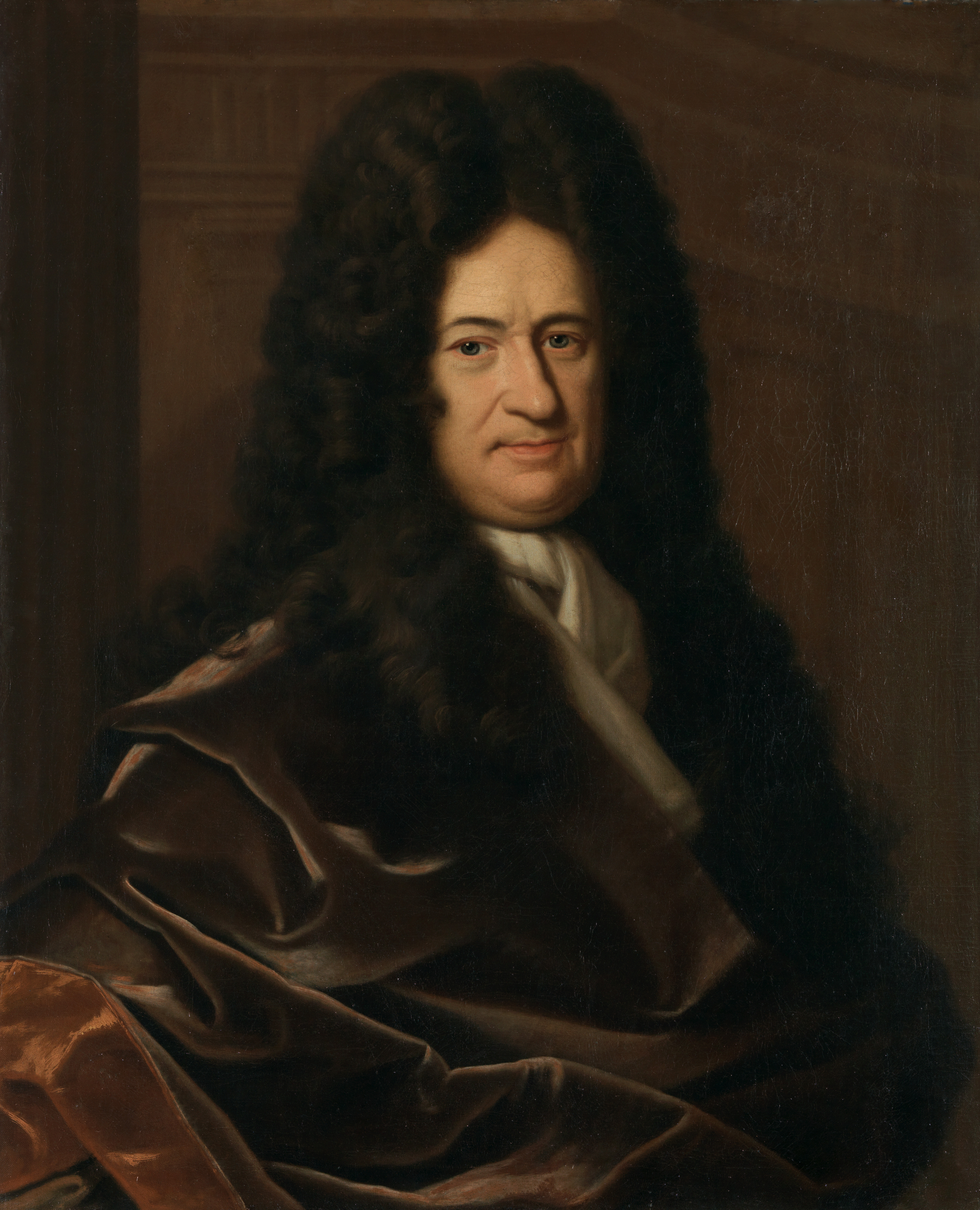
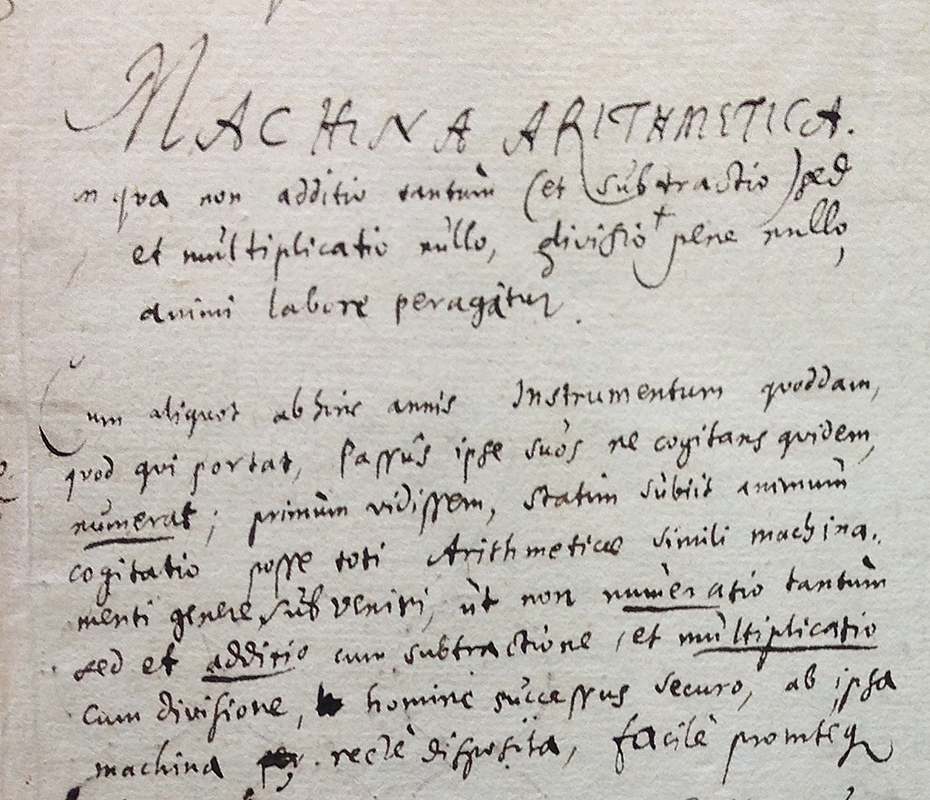
Quando orientur controversiae, non magis disputatione opus erit inter duos philosophos, quam inter duos computistas. Sufficiet enim calamos in manus sumere sedereque ad abacos, et sibi mutuo (accito si placet amico) dicere: calculemus.
If controversies were to arise, there would be no more need of disputation between two philosophers than between two calculators. For it would suffice for them to take their pencils in their hands and to sit down at the abacus, and say to each other (and if they so wish also to a friend called to help): Let us calculate.
Leibniz matters to me not as a monument, but as a reminder.
He reminds us of an older form of intellectual ambition: the desire to understand reality without first cutting it into institutional fragments. Mathematics, logic, metaphysics, nature, law, politics, language, and theology were not separate compartments for him. They were different entrances into the same problem: how can the world become intelligible?
That is the part of Leibniz that I feel closest to. Not the doctrine. Not the system. Not the historical figure as an object of imitation. Rather, the temperament: the belief that thought should be allowed to move across domains when the problem itself demands it.
The modern academy often rewards depth by narrowing the field of vision. Depth is necessary. But when specialization becomes tunnel vision, it loses sight of the older dream of understanding — the dream that logic, matter, life, mind, freedom, and language may belong to a larger architecture. The Neurovium is my attempt to give that dream a contemporary form.
Not imitation, but kinship
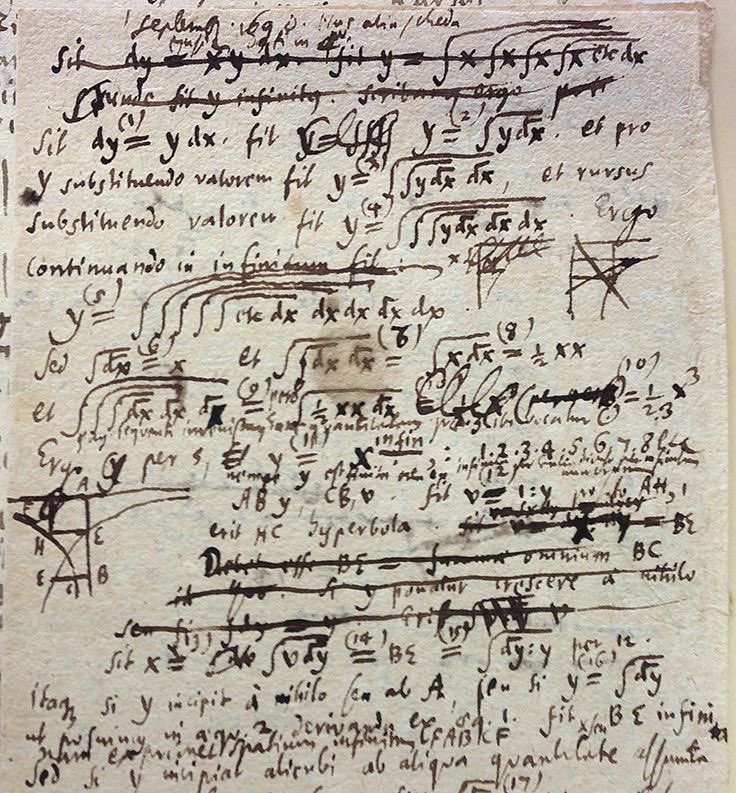
This page is not a claim of identity with Leibniz. It is an attempt to name a kinship of temperament: the refusal to accept that mathematics, nature, mind, metaphysics, politics, and language must live in sealed compartments.
From calculus to matter to freedom
Universal intelligibility
Leibniz represents the dream that the world can be understood through relations, structures, symbols, and principles — not merely catalogued, but rendered intelligible.
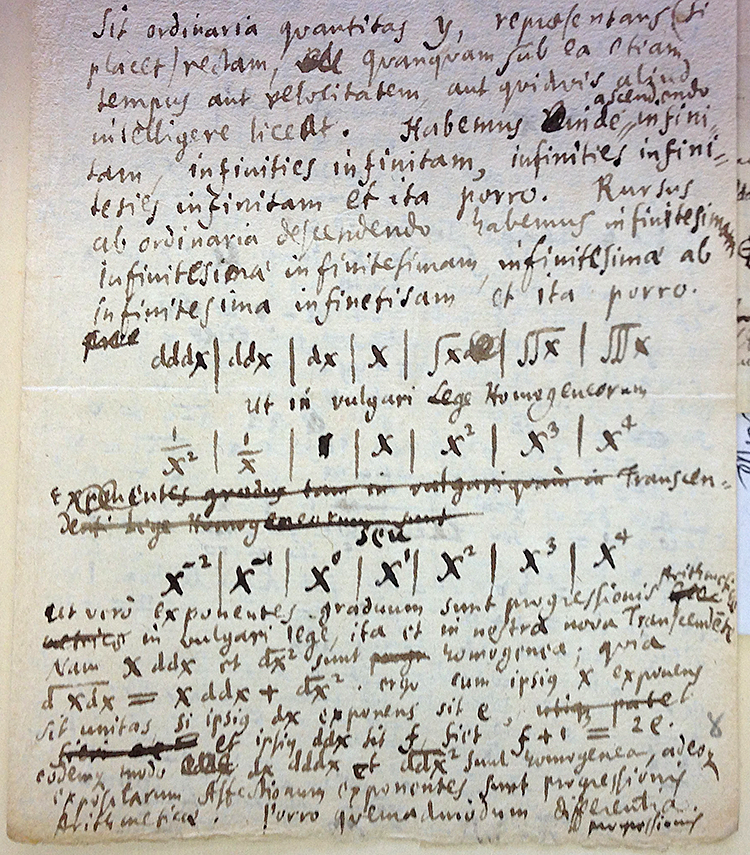
From calculus to computation
The modern version of the Leibnizian dream passes through logic, computation, information theory, cybernetics, neuroscience, and artificial intelligence. The question becomes: how can reasoning be physically realized?
From computation to biological matter
Neurovium begins where abstract computation meets biological organization. The brain is not a disembodied logic machine. It is matter organized into dynamics capable of perception, memory, inference, discovery, and action.
From science to liberty
The search for intelligibility is not only scientific. It is also political and moral. Open societies matter because understanding requires criticism, dissent, memory, and the freedom to revise inherited beliefs.
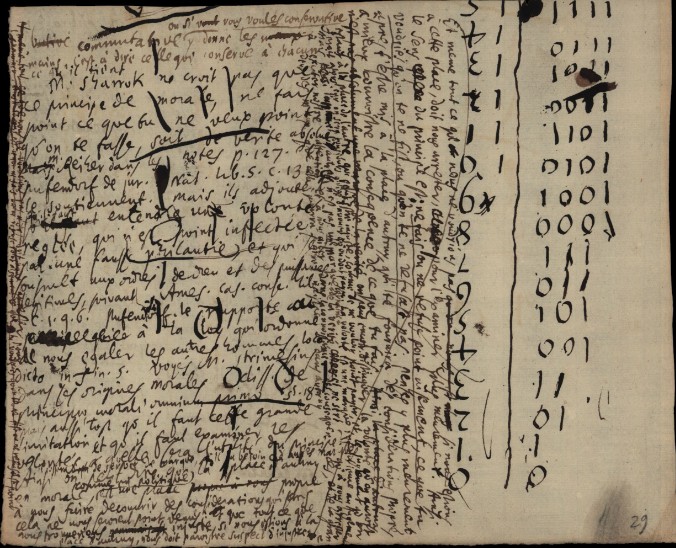
From equations to literature
Not everything that matters can be expressed as an equation. Plays, poems, and essays explore forms of experience that formal systems cannot exhaust. They are not distractions from the scientific project; they are other instruments of inquiry.
Neurovium
The Leibnizian dream, for me, is not the fantasy that everything can be reduced to calculation. It is the deeper hope that the world is not opaque to reason:
That biological matter can become mind.
That physical dynamics can become computation.
That science can become understanding.
That criticism can preserve freedom.
That literature can reveal what formalism cannot.
That different forms of inquiry can illuminate one another rather than compete for territory.
The Neurovium begins from that hope. It is what I named this convergence: the study of mind, computation, biological organization, scientific understanding, and freedom as connected problems.
How can the world become intelligible?