Movement · one
The Trivium
- Grammar
- Logic
- Rhetoric
The foundations of thought. The Trivium provided the tools to master language, structure arguments, and understand how we express reality.
An intellectual lineage — from the medieval curriculum to the mathematics of the mind.
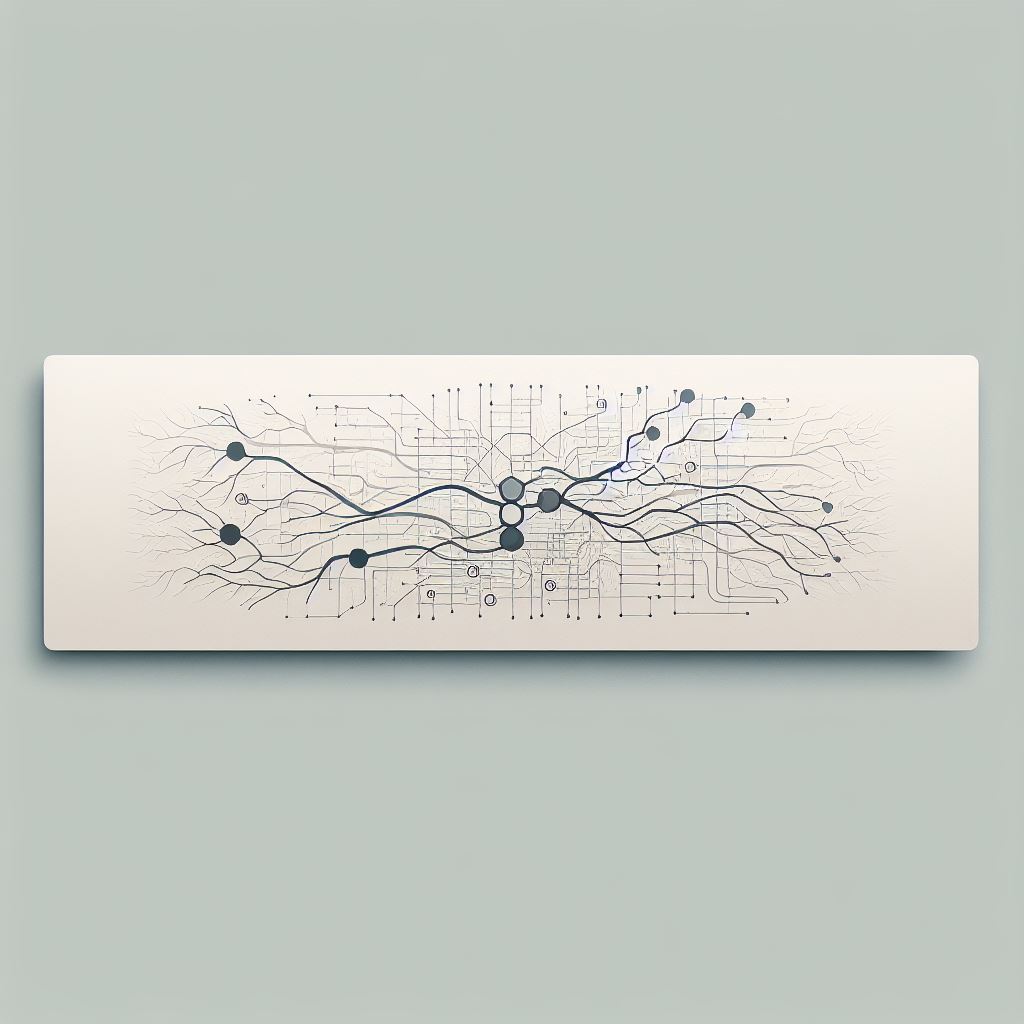
The classical medieval curriculum was built on a foundational architecture of knowledge — the seven liberal arts — split into two progressive movements.
The foundations of thought. The Trivium provided the tools to master language, structure arguments, and understand how we express reality.
The structure of the universe. The Quadrivium applied the tools of the Trivium to the physical world, exploring the mathematical harmonies of the cosmos.
Together, these seven liberal arts formed the bedrock of Western intellectual tradition. By extending this lineage, a new domain naturally emerges.
If the Trivium is the language of human thought, and the Quadrivium is the mathematics of the cosmos, then the Neurovium is the mathematics of the mind.
It is the study of neural computation and cognitive structure as a unified discipline. It bridges the gap between the wetware of the brain and the abstract architecture of intelligence.
It’s not a brand. It’s a field.
The Neurovium does not exist in a vacuum. It is a conceptual space built on the foundations laid by thinkers who refused to separate the rules of matter from the rules of mind.
Before we can compute knowledge, we must understand how discovery itself is structured.
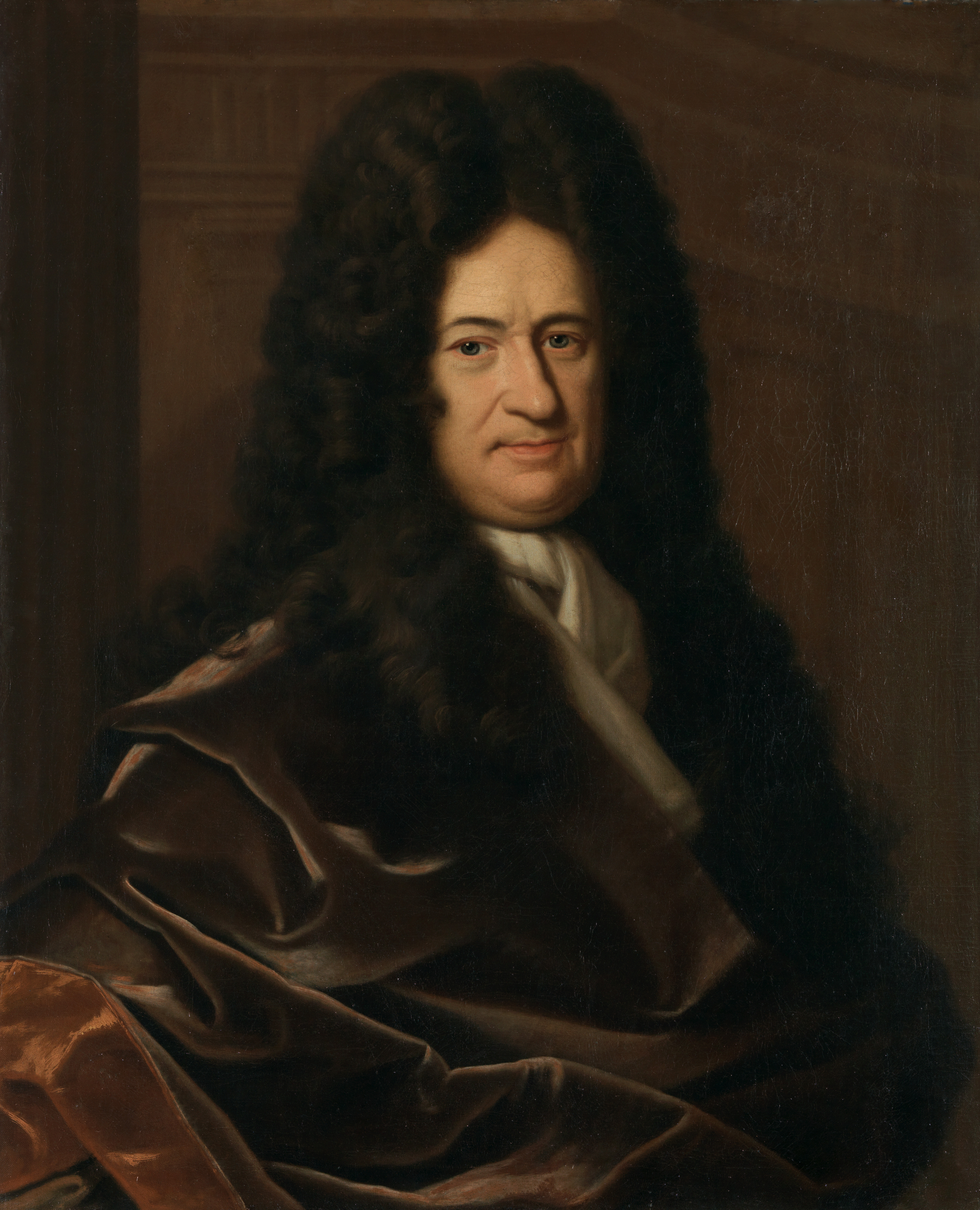
Imagined a universal formal language of thought — a characteristica universalis in which reasoning itself could become calculable.
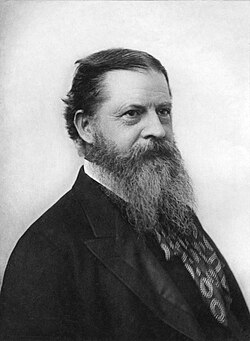
Gave a central place to abduction: the creative inferential leap by which we generate hypotheses that explain surprising observations.
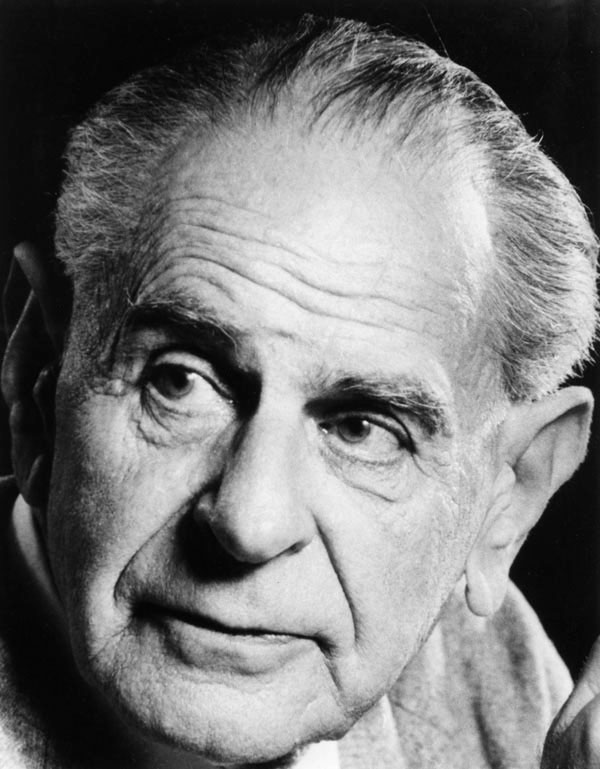
Recast science as an evolutionary process of conjecture and refutation, where knowledge advances through bold hypotheses exposed to possible failure.
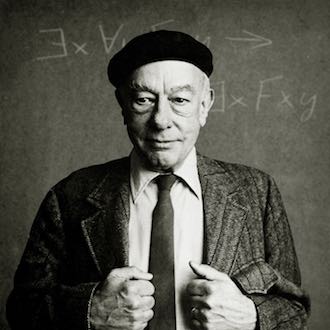
Described knowledge as a web of belief: a connected system in which hypotheses are tested not in isolation but together with background assumptions.
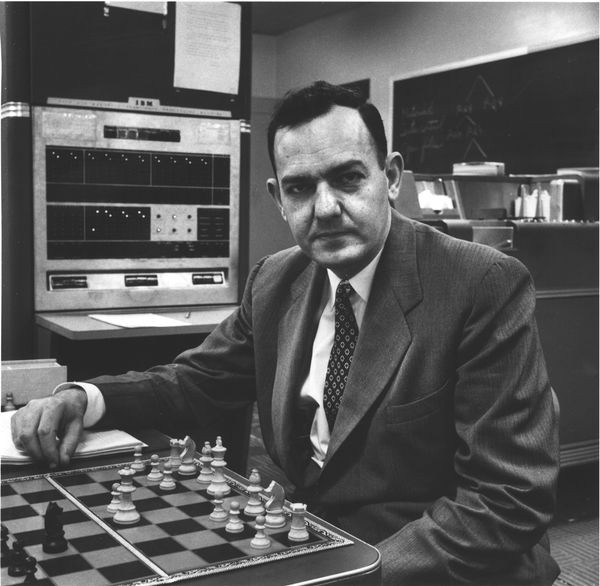
Showed that discovery is not magic but heuristic search through structured problem spaces, constrained by bounded rationality and the architecture of the searcher.
This lineage matters because Neurovium is not only about intelligence as prediction. It is about intelligence as inquiry: the formation, testing, revision, and organization of understanding.
The thinkers who showed that abstract thought could be instantiated in machines, circuits, and networks.
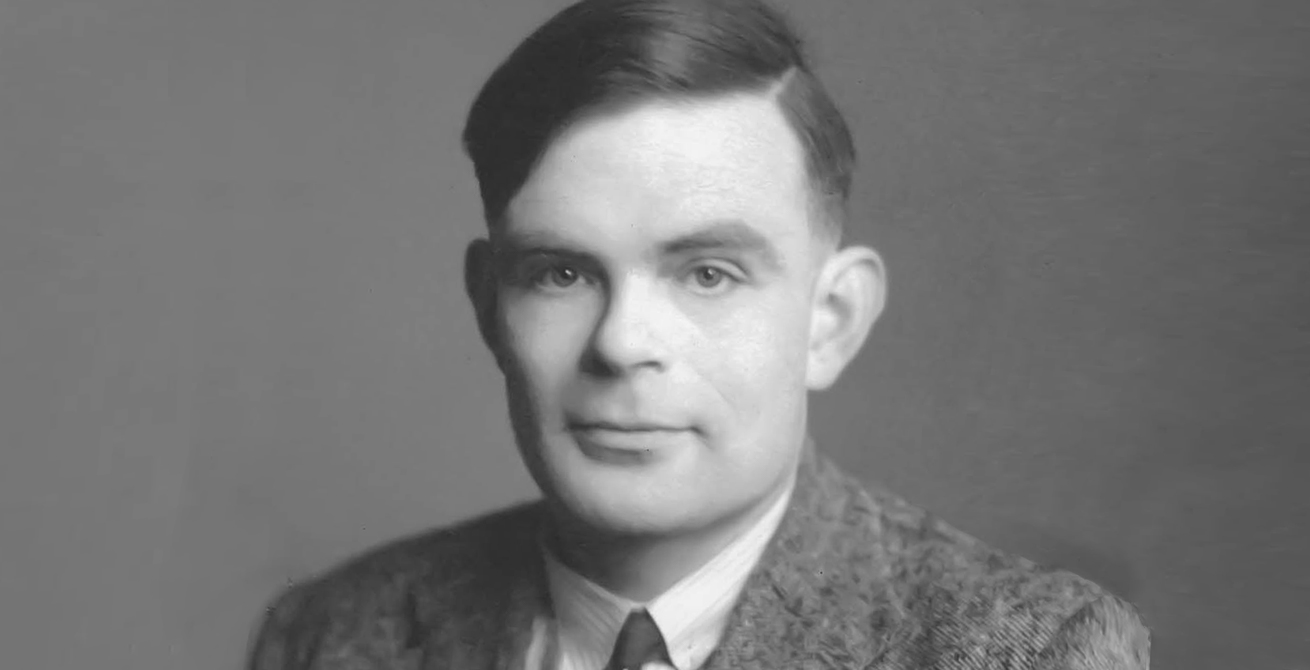
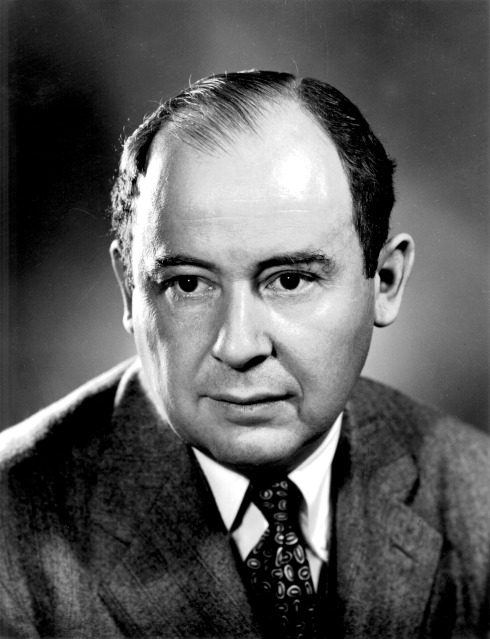
Transformed abstract mathematical logic into architectures of computation.
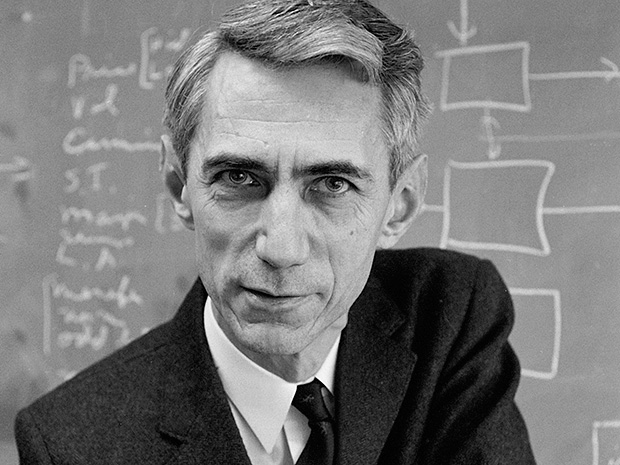
Separated information from meaning and made it quantifiable, enabling communication, coding, and signal transmission to become mathematical sciences.
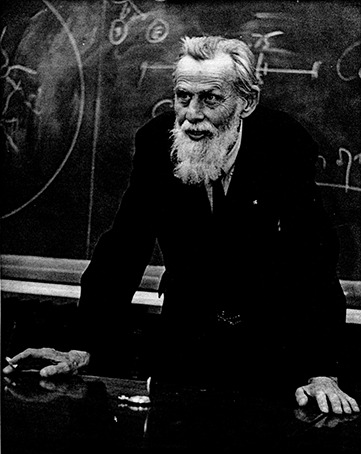
Alongside Walter Pitts, Mapped logical operations onto neural thresholds, showing that networks of neuron-like units could implement formal computation.
This lineage gives Neurovium its computational spine. It asks how logic, information, and formal transformation can be realized in physical systems.
The systems‑level cartographers of complexity, feedback, and emergence.
Cyberneticists, who placed feedback, regulation, and homeostasis at the center of intelligent systems.
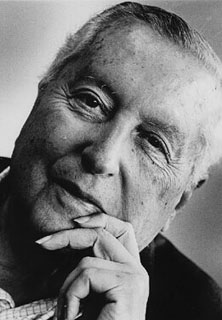
Showed that order and structure can emerge far from thermodynamic equilibrium.
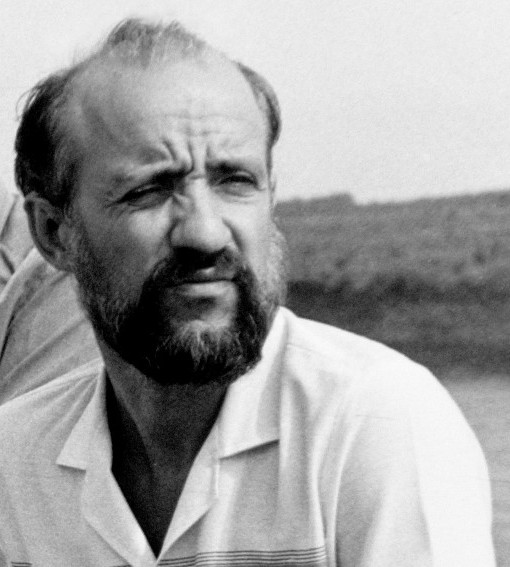
Revealed the geometry of biological time, showing how populations of oscillators synchronize, entrain, and form collective rhythms.
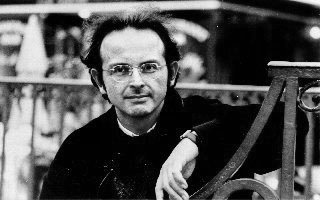
Along with Maturana, formulated autopoiesis: the idea that living systems are self‑producing organizations whose cognition is inseparable from embodiment and self‑maintenance.
This lineage gives the Neurovium its dynamical core. Mind is not only symbol manipulation. It is regulation, recurrence, synchronization, metastability, and self‑organization.
The thinkers who showed that life and mind have geometry, materiality, and form.
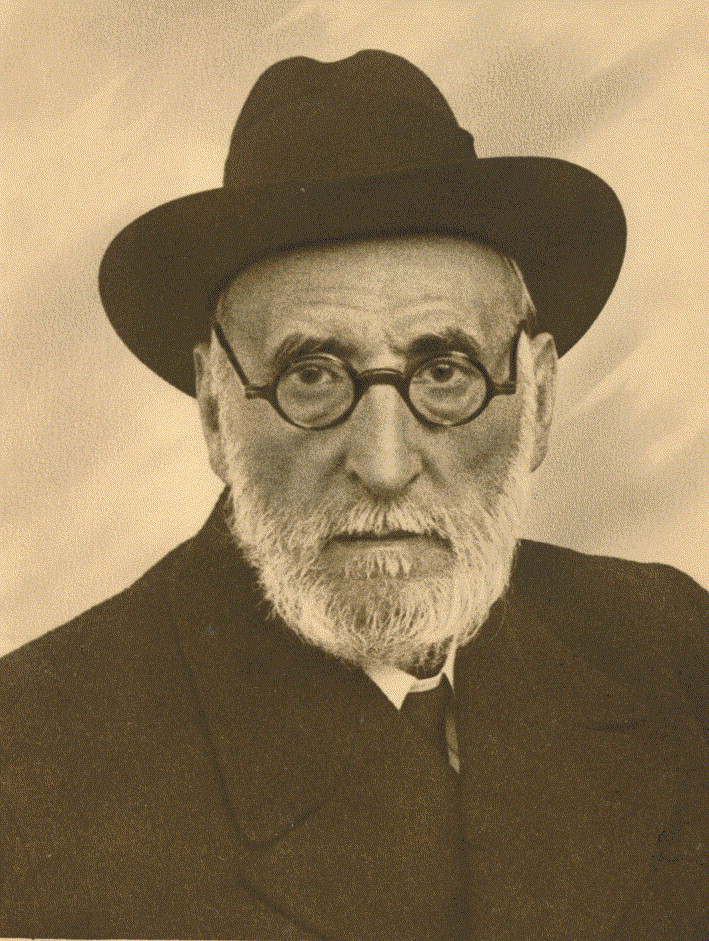
The master cartographer of the mind — who established the neuron doctrine and revealed the nervous system as a network of individual communicating cells, giving the brain both a structure and a morphology.
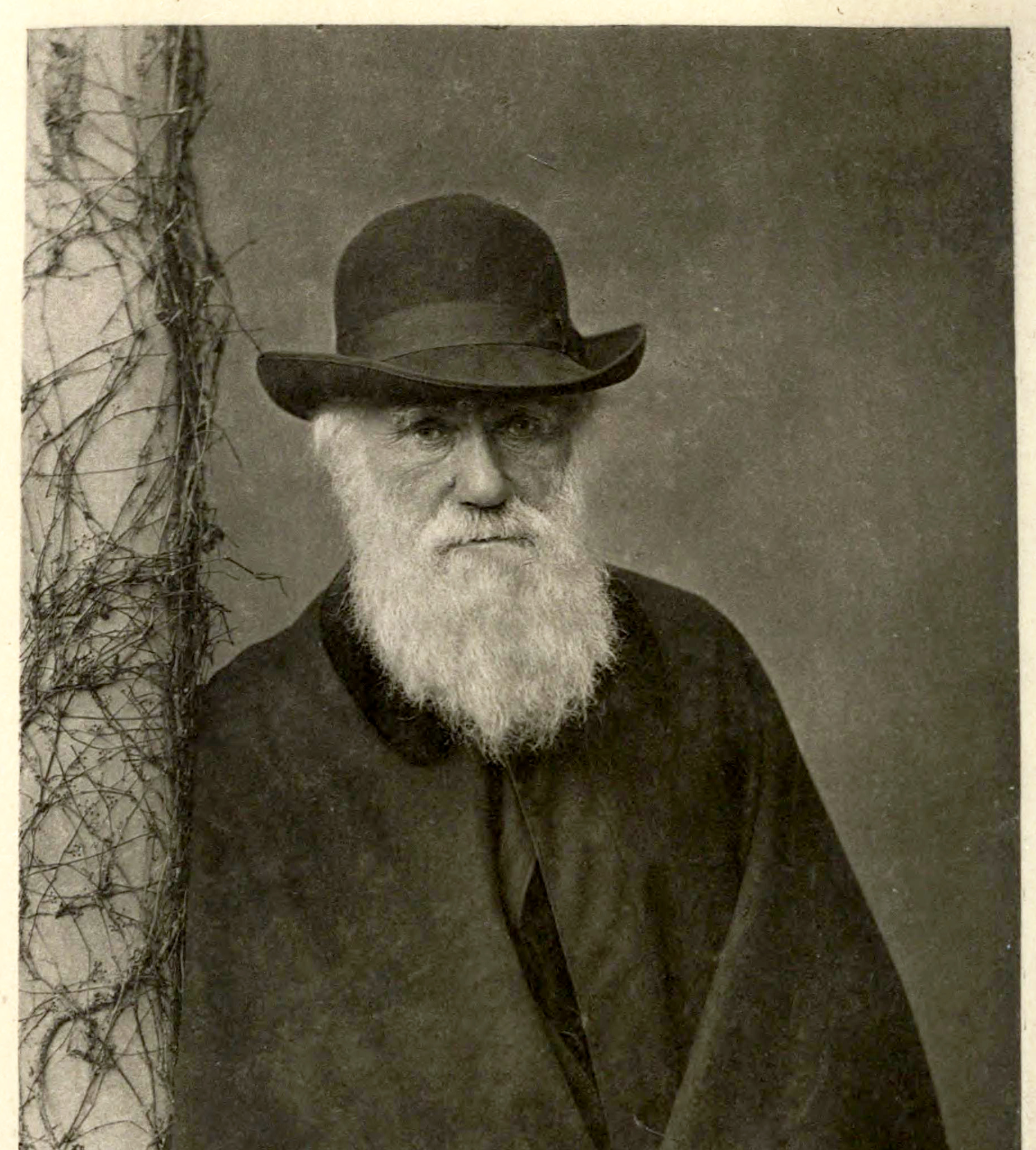
Showed how biological form and function are shaped through historical variation and selection.
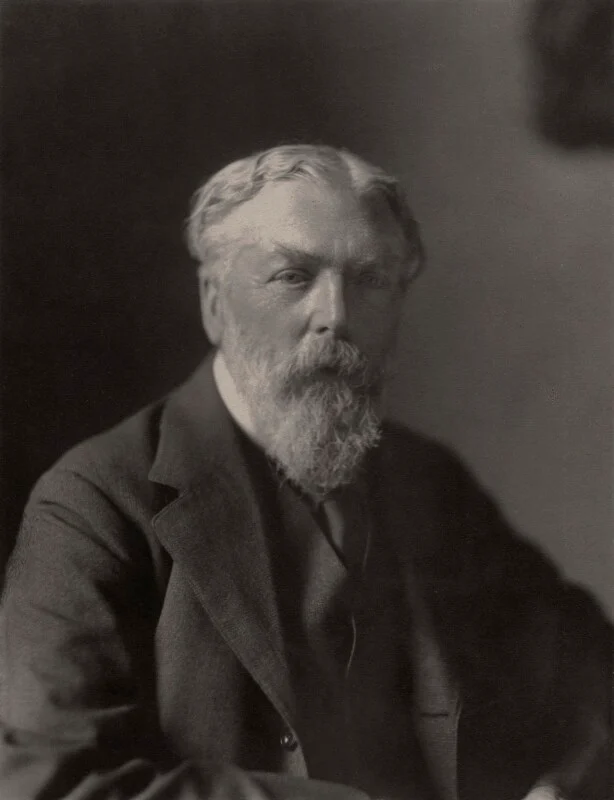
Showed that biological form is also constrained by geometry, growth, and physical forces.
This lineage gives the Neurovium its biological body. Neural computation is not abstract manipulation floating above matter. It is computation through cells, morphologies, tissues, circuits, and constraints.
The Neurovium is not only about the mind as information. It is about the mind as physically realized computation.
Classical computation usually begins with an abstract function and then asks how to implement it in a physical device. But biological systems force the reverse question. We begin with a physical system — a neural circuit, a cell, a biochemical pathway, a brain — and ask whether its dynamics can be understood as computation.
This is the problem of physical computation.
A physical system changes state all the time. But not every state transition should automatically count as computation. A useful theory of biological computation must distinguish mere physical evolution from structured, interpretable, composable computation.
That distinction requires more than metaphor. It requires a principled way to relate physical processes to abstract processes while preserving the structure of transformations. This is why physical computation, biological computation, and compositionality sit at the center of the Neurovium.
The Neurovium, then, is not just a name for neural computation. It is a space where several questions meet:
If the Trivium gave the arts of thought, and the Quadrivium gave the mathematical order of the cosmos, the Neurovium asks how thought itself emerges from organized matter.